

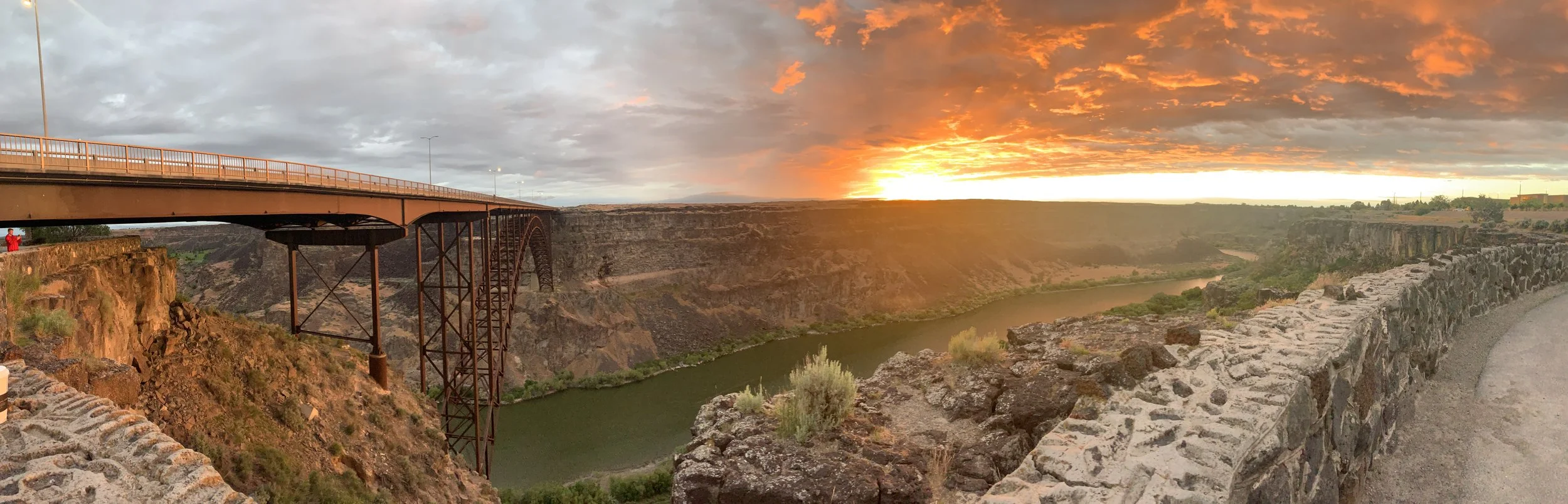
Intro to BASE Jumping Course (FJC) – Twin Falls, Idaho
Your first BASE jumps, done the right way. Small-group training at the Perrine Bridge that adapts to you — not a fixed script.
Upcoming Courses 2026
Investment: $1,700
Custom dates are available upon request
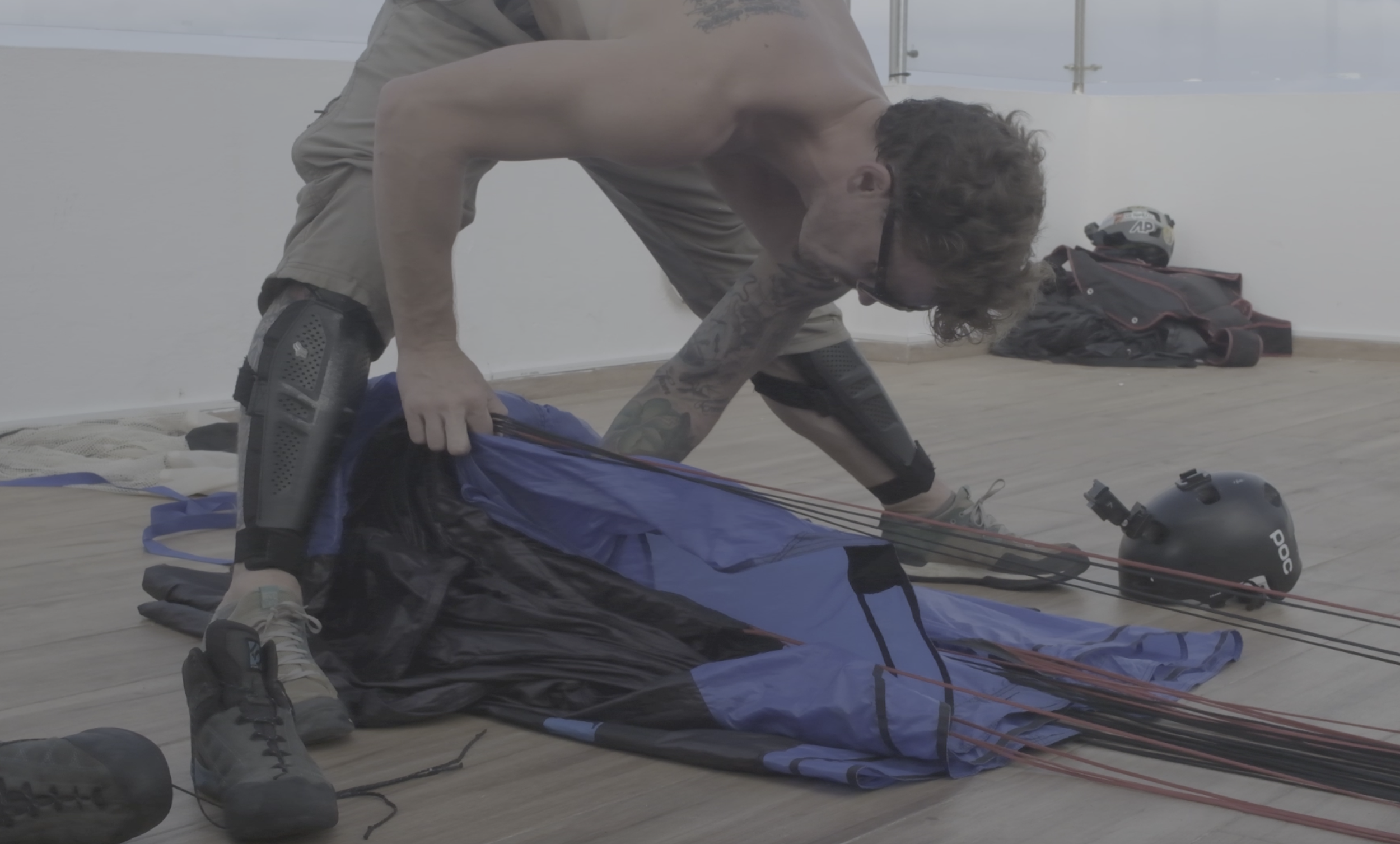
How my Approach Is Different
Most First Jump Courses follow a rigid, day-by-day curriculum that pushes every student through the exact same sequence on the same schedule.
I do the opposite.
Your progression is based entirely on your performance, skill level, and comfort. I never teach material just because the calendar says it’s “Day 3.” Instead, I teach what you’re truly ready for, when you’re ready for it.
This flexible, student-centered method is what sets my program apart from every other FJC in Twin Falls. It helps you build stronger habits and sharper decision-making skills right from your very first jump.
Because I keep groups very small (maximum 3 students), I can give full attention to how you learn. Different personalities, fear thresholds, and decision-making styles all get accommodated.
Your level of responsibility starts small and gradually increases to 100% — always at the pace that matches your readiness. We review video together, fine-tune weak areas on the ground, and build a personal development plan for safe progression after the course.
Many First Jump Courses rush students through as many jumps as possible in a short window. My format gives you time to absorb, reflect, correct mistakes safely on the ground, and truly understand the layers involved. This deliberate, no-shortcuts method is why students often return months or years later for progression coaching — they know the foundation is solid.

How the 4 Days Work
The course is always four days long, but the exact flow is customized to you in real time.
We begin with Object Assessment — teaching you how to thoroughly evaluate any object before committing to a jump. This skill becomes the foundation for every safe decision you’ll ever make in BASE.
From there, we break down the full Anatomy of a BASE Jump, isolating the skills required to master each piece:
Packing, Exiting, Deploying, Flying the canopy, and Landing.
You’ll also learn critical safety protocols and malfunction procedures.
Only once that groundwork is solid do we move to actual jumps. Your level of responsibility starts small and increases gradually to 100% — always at the pace that matches your readiness.
You’ll master these core areas with focused coaching:
Object Assessment & Reading Conditions — Learn to thoroughly evaluate the bridge (or any future object), wind, weather, and how variables interact before committing to a jump. You’ll learn to see the “system” — how each variable influences the next — rather than treating BASE as a simple “exit-deploy-fly-land” checklist.
Exit Technique, Deployments & Freefall Awareness — Clean, consistent exits and body position. You’ll practice different deployment methods and build reaction speed so you stay in control even when things don’t go perfectly. Early jumps often emphasize short delays and canopy skills before adding more freefall time. The priority is always quality over quantity.
Canopy Control & Landing Proficiency — A huge portion of the course focuses here because most BASE incidents happen under canopy. You’ll work on:
Flying in brakes and handling different wind conditions
Accurate landing approaches
Decision-making under canopy
Emergency procedures when things change quickly
Most students feel the biggest confidence boost once they realize they can actually fly and land safely, not just survive the deployment.
A major emphasis throughout the course is canopy work. You’ll spend significant time honing your canopy skills — from accurate spotting and flight planning to precision approaches and soft landings. This heavy focus on canopy control builds the confidence and proficiency you need before moving on to other objects.
Mental Preparation & Self-Awareness The most important thing I teach — before any technical skill — is self-awareness and better decision-making.
You’ll develop frameworks for:
Reading your own mindset and recognizing when ego is overriding judgment
Asking better questions about conditions and your readiness
Knowing when not to jump — even if the group or schedule might allow it
Confidence in BASE should come from preparation and sound judgment, not adrenaline or external pressure.
Throughout the four days, my focus stays simple:
You learn
You make real progress
You have fun
The more you learn, the more you’ll realize how much there is still to know — and that’s exactly how it should feel at the start of your BASE journey.
This course isn’t about rushing to a finish line. It’s about starting correctly, with the right habits and mindset in place.
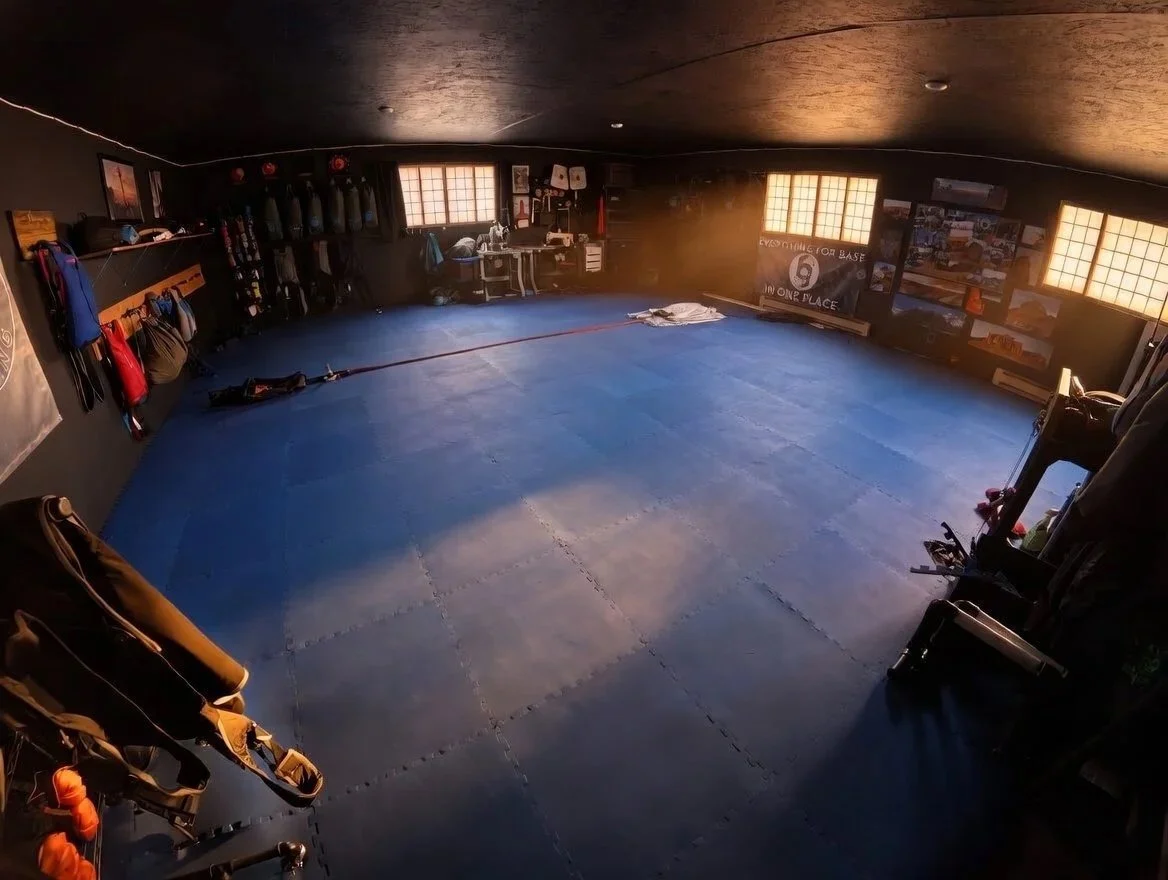
Dedicated Training Facility
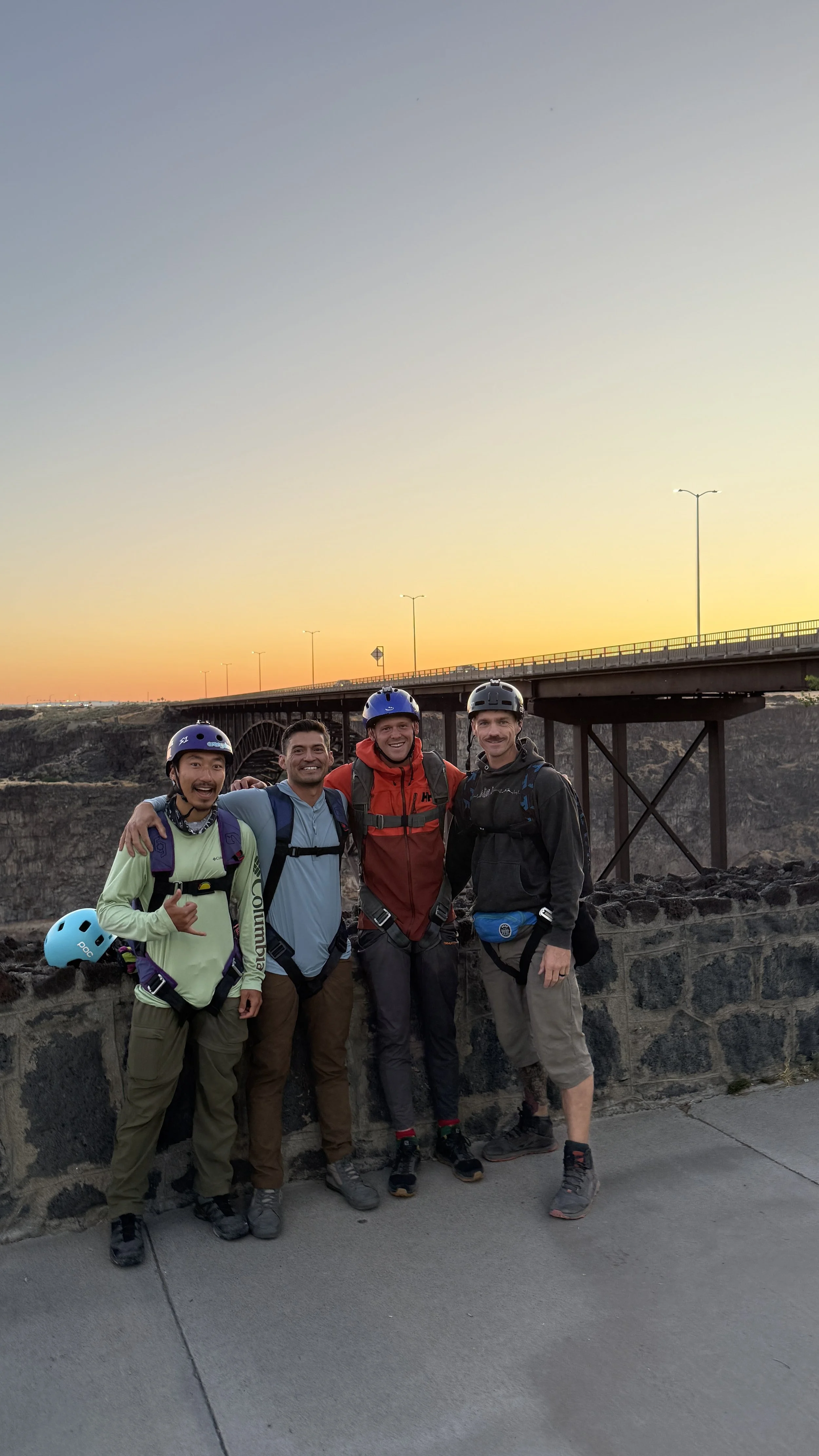
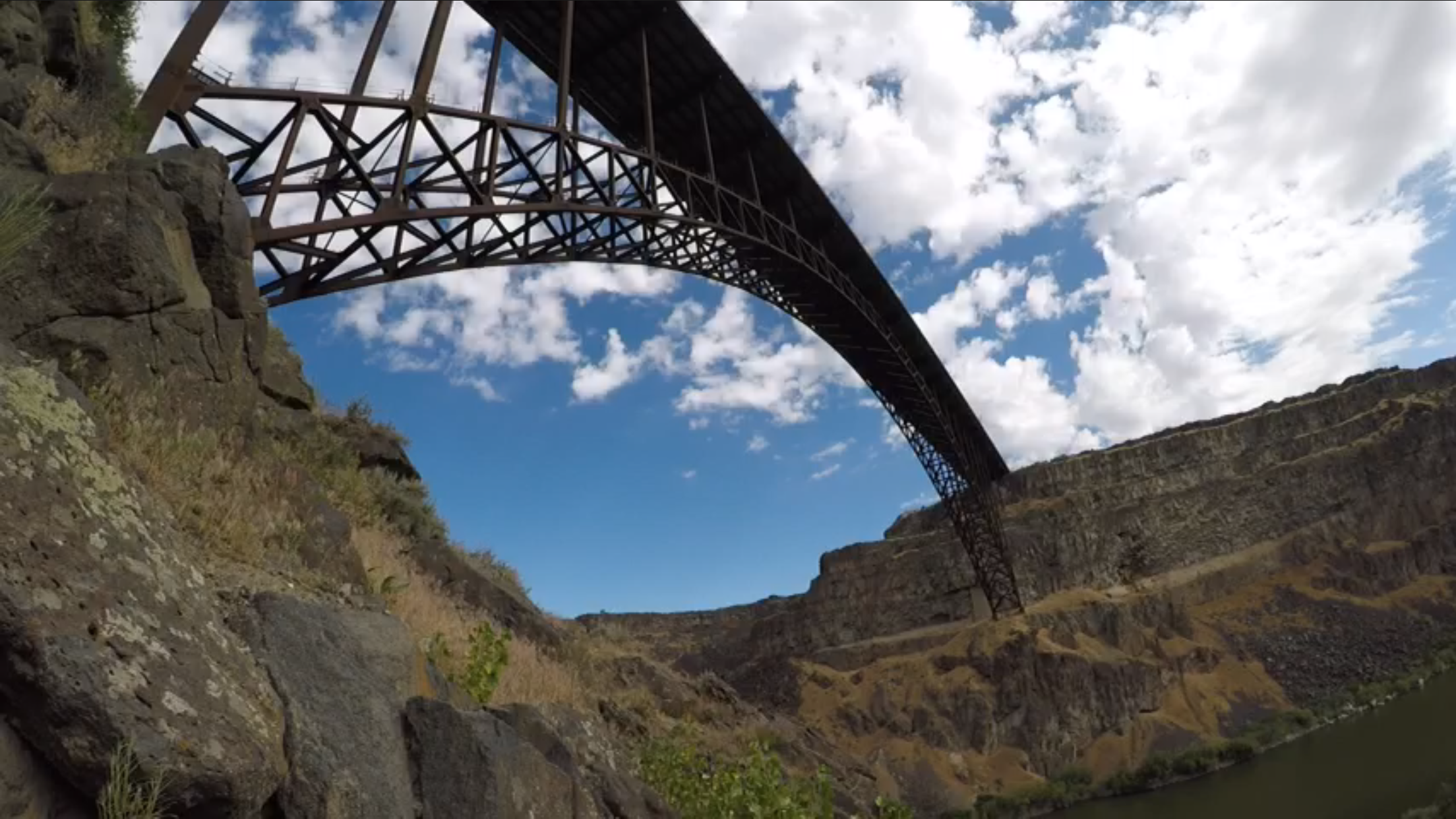
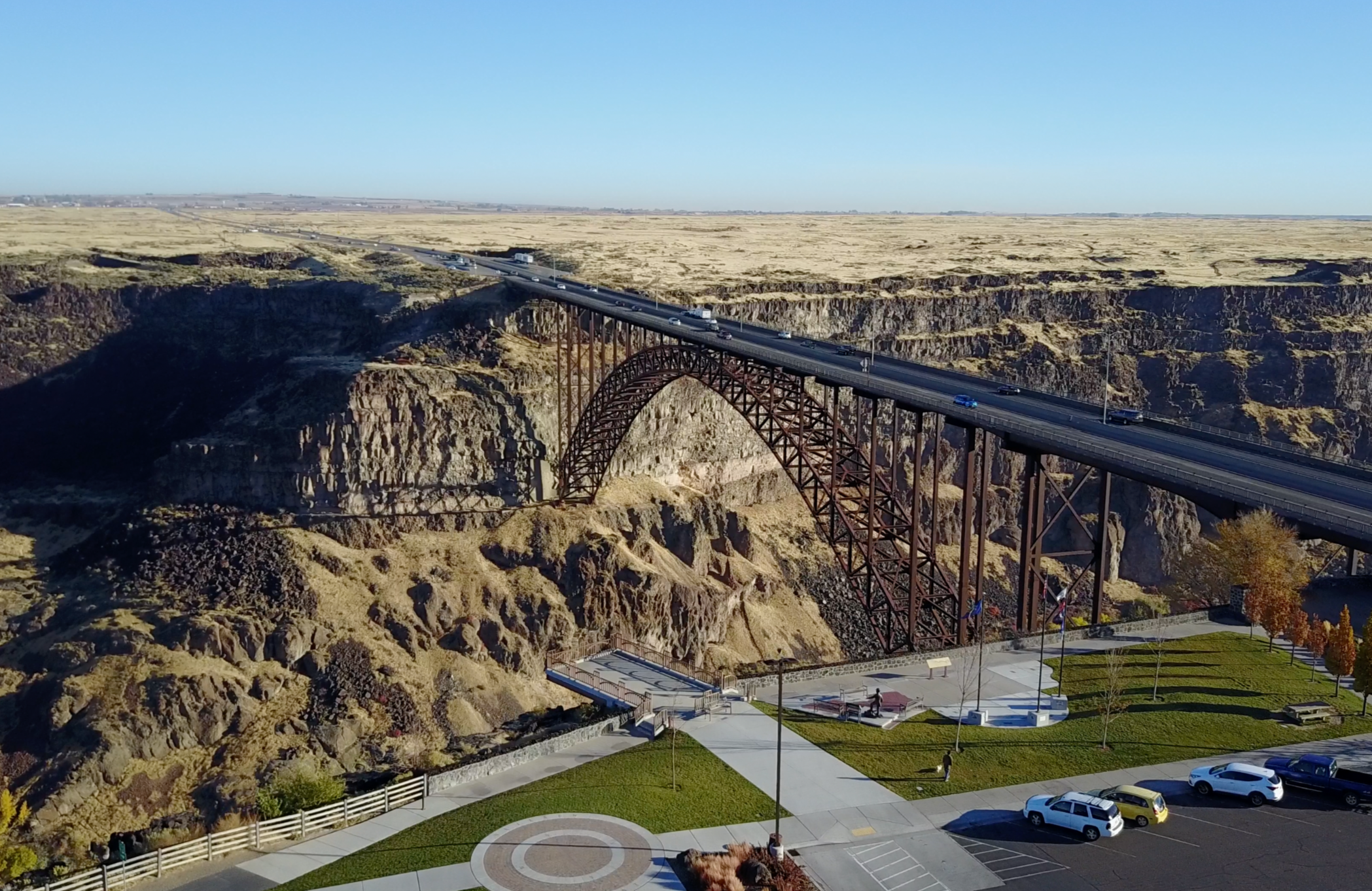
In addition to training at the Perrine Bridge, I have a dedicated facility in Twin Falls. This space allows us to conduct focused ground school, packing practice, and video analysis in a controlled environment before heading to the bridge. Having our own space means a more professional experience than bridge-only programs.

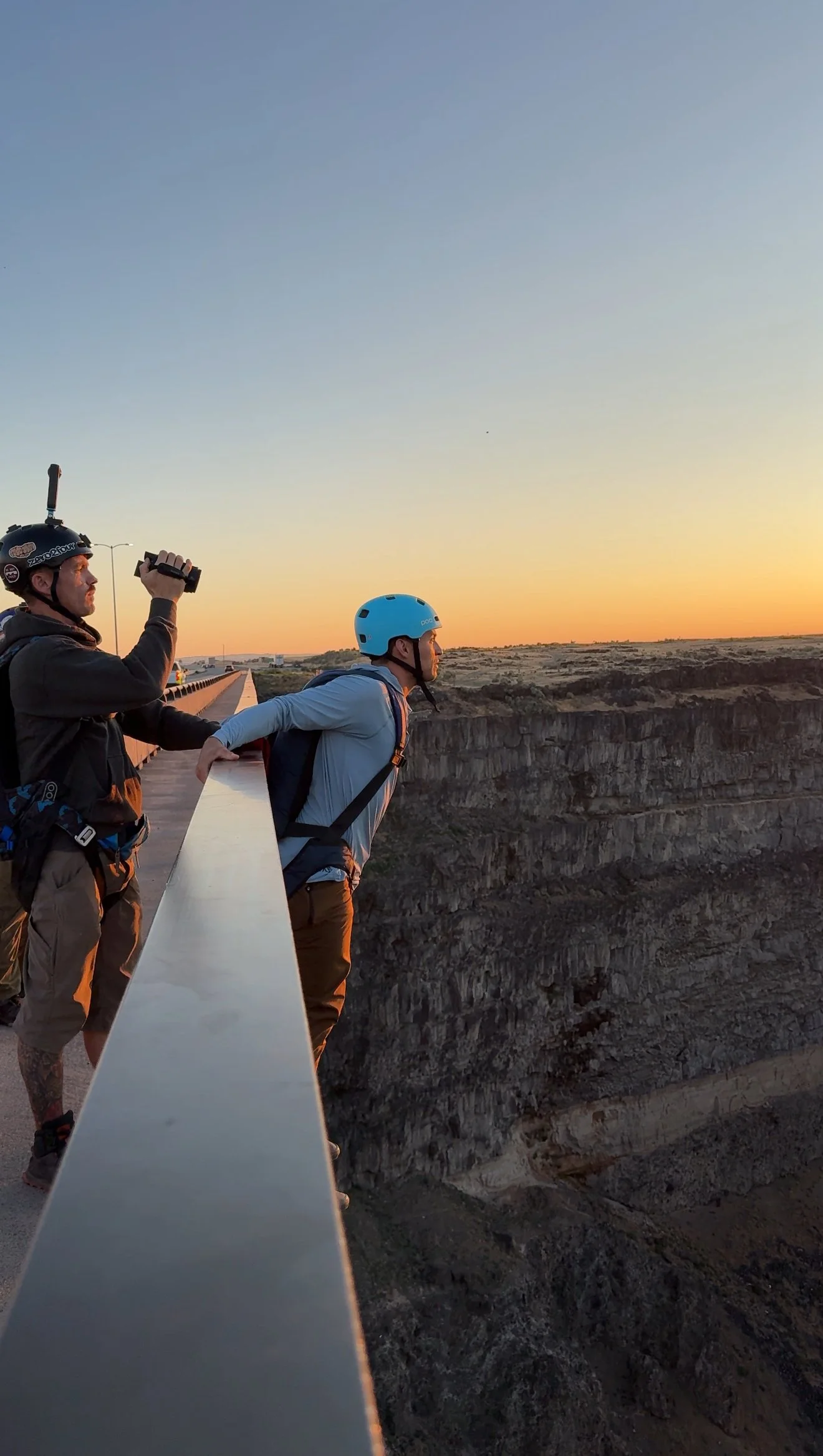

The Nature of BASE
BASE jumping offers some of the most remarkable experiences you will ever have.
It also comes with real consequences.
My job is to help you see both sides clearly and approach them deliberately — not casually.
This course gives you the foundation. What you do with it after is entirely up to you.
Before You Apply
Prerequisites
• Minimum 200 skydives
• 25 years of age or older
• 5 pack jobs on BASE equipment prior to arrival (I can send you a rig to practice)
Pricing
• Private course: $2,500
• Small group (max 3 students): $1,700 per person
• $500 deposit required to secure your spot
Preparation
• Practice packing a BASE canopy before you arrive — it reduces stress on the course.
• Expect long days and physical effort. You will hike ~1 mile with ~20 lbs of gear after each jump.
• Arrive fit and ready.
Why 200 Skydives?
Most BASE injuries happen under canopy. 200 skydives ensure you can fly and land safely in a variety of conditions, handle issues, and show the patience and commitment this sport demands.
What to Bring
• Helmet (impact-rated recommended)
• Approach shoes or boots
• Season-appropriate clothing
• Gear rental is included if needed
Where to Stay
• Jocelynn’s BASE Hostel (find on Facebook)
• Quality Inn & Suites near the bridge
Email john@baseguiding.comif you need help booking.
Ready to Take Your First BASE jumps the Right Way?
If you’re serious about learning safely and building a strong foundation for the rest of your BASE career, I’d love to train you.